
Four Hand Massage Techniques: Understanding Synchronized Movements
Four Hand Massage Techniques: Understanding Synchronized Movements Four hand massage techniques are methods in which two trained therapists massage one person at the same time,
Your Space for Calm, Comfort & Complete Rejuvenation
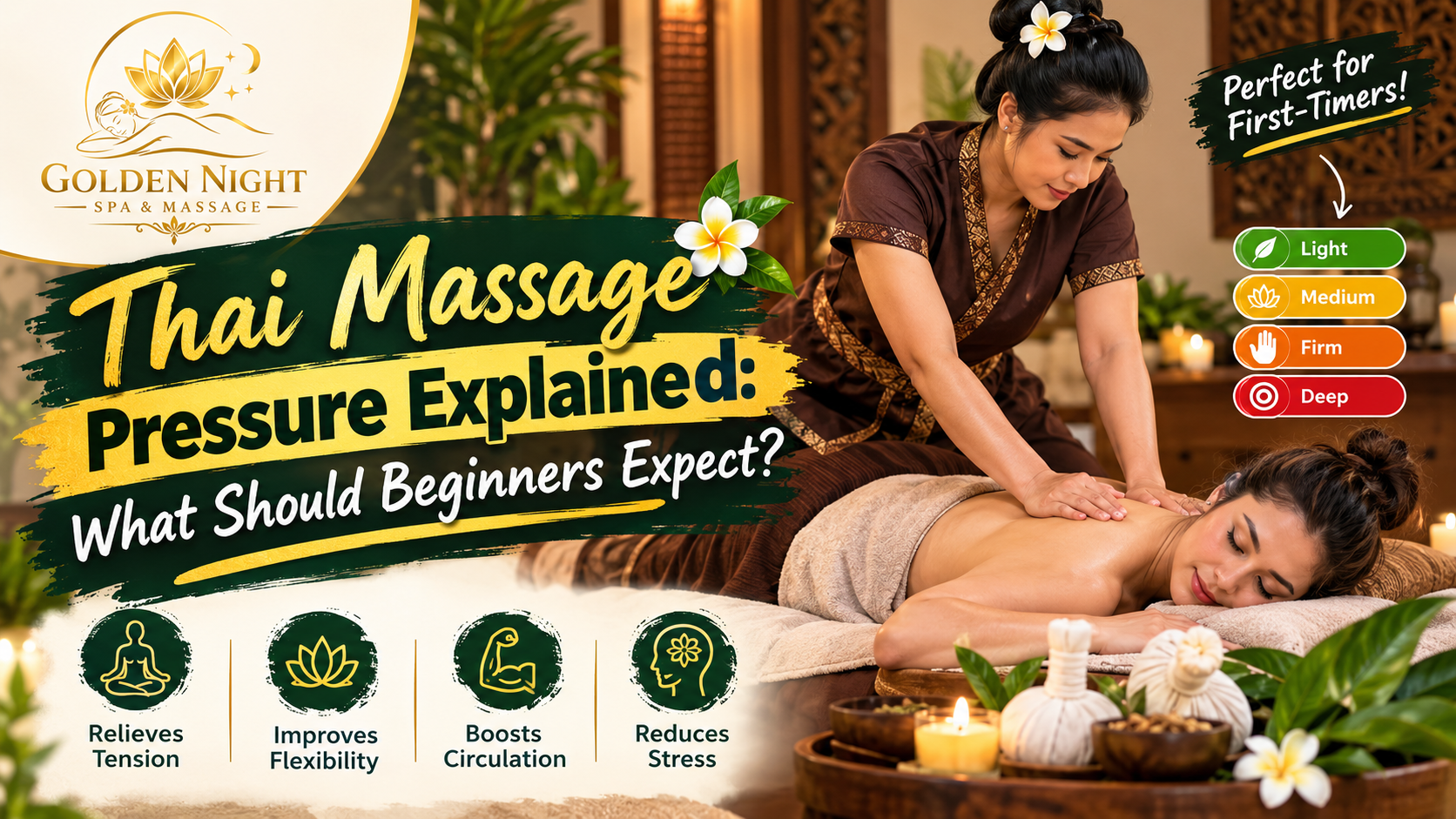
Thai massage pressure refers to the amount of force and intensity applied by a massage therapist during a traditional Thai massage session. Unlike typical Western massage techniques, Thai massage pressure is unique because it combines rhythmic pressure with assisted stretching and acupressure techniques. The pressure in Thai massage comes from the therapist’s hands, forearms, elbows, knees, and feet, creating a comprehensive therapeutic experience.
At Golden Night Spa in Lucknow, professional therapists understand that proper Thai massage pressure is essential for achieving the therapeutic benefits of this ancient healing practice. The pressure applied during a Thai massage session works to release muscle tension, improve circulation, and promote energy flow throughout the body. Understanding Thai massage pressure explained helps beginners approach their first session with confidence and realistic expectations.
Thai massage pressure differs significantly from other massage modalities because it incorporates the therapist’s body weight and leverage rather than relying solely on hand strength. This approach makes Thai massage pressure feel different—often more sustained and meditative compared to other massage types.
Thai massage pressure differs from Swedish massage, deep tissue massage, and aromatherapy massage in several important ways. While Swedish massage uses lighter, flowing strokes and deep tissue massage focuses on intense pressure to break up muscle knots, Thai massage pressure operates on a different principle altogether.
In Thai massage, the therapist uses sustained pressure combined with passive stretching to engage the body’s energy lines (known as “Sen” in Thai tradition). This holistic approach means Thai massage pressure is not necessarily about intensity but about precision, timing, and the stretching component. Many guests at wellness centers in Lucknow find that Thai massage pressure feels gentler than deep tissue massage yet more therapeutic than relaxation massage.
| Massage Type | Pressure Level | Focus | Best For | Session Duration |
|---|---|---|---|---|
| Swedish Massage | Light to Medium | Relaxation & Surface Tissues | Stress Relief | 60 minutes |
| Deep Tissue Massage | Firm to Very Firm | Deep Muscle Knots | Chronic Pain | 60-90 minutes |
| Thai Massage | Medium to Firm (Variable) | Energy Lines & Stretching | Flexibility & Wellness | 60-120 minutes |
| Aromatherapy Massage | Light to Medium | Essential Oils & Relaxation | Emotional Balance | 60 minutes |
The key distinction is that Thai massage pressure is integrated with movement and stretching, making the overall experience more dynamic than static pressure-based therapies.
Thai massage pressure typically falls into three categories: light, medium, and firm. Each level serves different therapeutic purposes and suits different client needs.
Light Pressure in Thai Massage
Light Thai massage pressure is often used as an introduction to the treatment or for specific sensitive areas. This pressure level is gentler and more comfortable for first-time clients or those with lower pain tolerance. Light pressure still activates the energy meridians but with minimal discomfort.
Medium Pressure in Thai Massage
Medium Thai massage pressure is the most common level experienced during a traditional session. This is where the therapeutic benefits become most apparent. Medium pressure allows therapists to access deeper muscle layers while maintaining client comfort. Most beginners find that medium pressure is ideal for their first Thai massage experience.
Firm Pressure in Thai Massage
Firm Thai massage pressure is applied for clients who are accustomed to massage therapy or have specific muscle tension areas. Firm pressure can be intense but should never cause sharp pain—only a sensation of deep pressure relief. Professional therapists at wellness centers in Lucknow adjust firm pressure based on real-time client feedback.
At Golden night Spa in Lucknow, therapists customize Thai massage pressure levels to match individual comfort zones, ensuring each session delivers maximum benefits.
Stretching is a fundamental component that distinguishes Thai massage pressure from other modalities. The pressure applied during stretching phases creates a unique sensation that promotes flexibility and releases muscle tension simultaneously. This integrated approach is what makes Thai massage pressure explained as a combination therapy rather than just pressure application.
Body weight utilization is another critical factor in authentic Thai massage. Professional therapists use their forearms, elbows, knees, and feet to distribute pressure more effectively than hands alone. This body weight distribution allows for deeper penetration without concentrated pain points. At Golden Night Spa in Lucknow, experienced therapists master the art of leveraging body weight to provide optimal Thai massage pressure without causing discomfort.
The stretching component of Thai massage pressure is particularly beneficial for:
This is why many wellness enthusiasts in Lucknow specifically seek Thai massage for its combination of therapeutic pressure and stretching benefits.
Understanding what to expect during a Thai massage session helps beginners approach their first appointment with realistic expectations. Thai massage pressure may feel unfamiliar initially, but most clients find it progressively more comfortable and therapeutic.
Sensations During Thai Massage Pressure
Most beginners report that Thai massage pressure feels more comfortable than expected. The key is that the pressure is applied with intention and adjusted based on individual tolerance levels. Your therapist at Golden Night Spa in Lucknow will monitor your responses and adjust the Thai massage pressure accordingly throughout your session.
Clear communication about your preferred Thai massage pressure level is essential for a satisfying experience. Before your session begins, discuss your comfort level with your therapist using a simple pressure scale:
Pressure Level Communication Guide
| Pressure Level | Description | Best For |
|---|---|---|
| 1-2 (Very Light) | Barely detectable pressure, primarily for relaxation | Sensitive clients, first-time visitors, anxiety |
| 3-5 (Light to Medium) | Noticeable but comfortable pressure with minimal discomfort | Most beginners, relaxation seekers |
| 6-7 (Medium to Firm) | Therapeutic pressure that addresses muscle tension | Regular massage clients, muscle tension relief |
| 8-10 (Very Firm) | Deep, intense pressure for serious muscle work | Athletes, chronic pain, experienced clients |
During the session, use verbal cues to guide your therapist. Simple phrases like “that’s perfect,” “slightly lighter please,” or “I can go firmer” help optimize your Thai massage pressure experience. Professional therapists at wellness centers in Lucknow actively listen and adjust accordingly.
Thai massage pressure can feel intense to beginners, but “intense” doesn’t necessarily mean “painful.” The intensity comes from the deep pressure combined with stretching, which can create strong physical sensations. However, a well-executed Thai massage pressure application should never cause sharp or shooting pain.
The intensity of Thai massage pressure varies based on several factors:
Many people who try Thai massage for the first time are pleasantly surprised that the intensity level is manageable and deeply therapeutic. Rather than sharp, concentrated pain, Thai massage pressure creates a sensation of release and relief.
This is particularly true at Golden Night Spa in Lucknow, where trained therapists have mastered the balance between effective pressure and client comfort.
If you’re scheduling your first Thai massage in Lucknow, understanding Thai massage pressure explained specifically for beginners is crucial. First-time guests should approach their session with an open mind and realistic expectations.
Recommendations for First-Time Thai Massage Pressure
Golden Night Spa in Lucknow specializes in creating comfortable experiences for first-time clients, with therapists trained to recognize subtle signs of discomfort and adjust Thai massage pressure accordingly.
Skilled Thai massage therapists continuously monitor client responses and adjust pressure dynamically throughout the session. Understanding how therapists adjust Thai massage pressure helps you appreciate the expertise involved in your treatment.
Methods Therapists Use to Adjust Pressure
This real-time adjustment is why professional therapists at wellness centers in Lucknow provide superior experiences compared to inexperienced practitioners. The ability to calibrate Thai massage pressure explained through these techniques separates expert care from basic massage.
Many people confuse Thai massage with deep tissue massage because both can apply significant pressure. However, Thai massage pressure differs fundamentally from deep tissue in methodology and purpose.
Detailed Comparison: Thai Massage vs Deep Tissue
| Aspect | Thai Massage Pressure | Deep Tissue Massage Pressure |
|---|---|---|
| Pressure Application | Sustained pressure with movement and stretching | Concentrated pressure on specific knots |
| Therapist Tools | Hands, forearms, elbows, knees, feet | Primarily hands and forearms |
| Client Position | Clothed, on mat or table with movement | Unclothed under sheets on massage table |
| Pressure Philosophy | Energy line activation and flexibility | Breaking up muscle knots |
| Post-Session Feeling | Energized and flexible | Relaxed but possibly sore |
| Ideal For | Wellness and flexibility maintenance | Chronic pain and injury recovery |
Understanding these differences helps you choose the right therapy for your needs at spas in Lucknow. Thai massage pressure is ideal for wellness, while deep tissue better suits specific pain conditions.
Proper preparation ensures you get the maximum benefit from your Thai massage pressure experience. Here’s how to prepare for your first appointment:
Before Your Thai Massage
What NOT to Do Before Thai Massage
At Golden Night Spa in Lucknow, staff provides detailed pre-appointment guidance to ensure you arrive prepared and ready to experience the full benefits of therapeutic Thai massage pressure.
Post-massage care is just as important as preparation for maximizing the benefits of your Thai massage pressure experience.
Immediately After Your Session
In the Hours Following Your Massage
For the Next Few Days
Many wellness enthusiasts in Lucknow find that booking regular Thai massage sessions (biweekly or monthly) provides cumulative benefits that exceed what single sessions offer.
Certain clients should have detailed pressure conversations with their therapists before their Thai massage begins.
Clients Who Must Discuss Pressure Preferences
Professional therapists at Golden Night Spa in Lucknow always conduct thorough intake consultations with these client groups to customize Thai massage pressure accordingly.
Personalized Thai massage pressure is essential for achieving therapeutic goals and ensuring client satisfaction. One-size-fits-all pressure approaches ignore individual differences that significantly impact treatment outcomes.
Why Personalization Matters
When Thai massage pressure is personalized to your specific needs, the therapeutic benefits multiply. This is why experienced therapists at wellness centers in Lucknow invest time in understanding each client’s unique requirements before applying pressure techniques.
Understanding Thai massage pressure explained is the first step toward confidently scheduling your first session. Whether you’re seeking flexibility improvement, stress relief, or wellness maintenance, proper knowledge about pressure levels, communication strategies, and realistic expectations ensures a positive experience.
Thai massage pressure differs fundamentally from other massage modalities through its combination of sustained pressure, stretching, and body weight application. For beginners, starting with medium pressure and clear communication creates optimal conditions for experiencing the full therapeutic benefits of this ancient healing practice.
At Golden Night Spa in Lucknow, experienced therapists understand the nuances of Thai massage pressure and specialize in customizing treatment to individual client needs. Whether it’s your first Thai massage or you’re a returning wellness enthusiast, professional guidance ensures you receive therapeutic pressure that matches your specific goals and comfort level.
Ready to experience authentic Thai massage in Lucknow? Contact Golden Night Spa today to schedule your personalized Thai massage session and discover why this ancient practice continues to benefit millions of wellness seekers worldwide.
A: Thai massage pressure should create sensations of deep pressure and relief, not sharp pain. You might experience mild discomfort in tight areas (the “good pain” sensation), but this should never be sharp or unbearable. Always communicate with your therapist if you experience pain.
A: Most clients adjust within 2-3 sessions. Your body becomes accustomed to the pressure type and recognizes the therapeutic benefits, making subsequent sessions more comfortable and deeper.
A: Absolutely. Many beginners start with light to medium pressure. You can always increase pressure in future sessions as you become more comfortable with the therapy.
A: For optimal results, therapists recommend Thai massage sessions every 2-4 weeks. Some clients benefit from monthly treatments, while others prefer biweekly sessions for ongoing wellness support.
A: Some mild soreness is normal, especially after first sessions. This typically subsides within 24 hours. If soreness persists beyond this, inform your therapist about adjusting pressure for future appointments.
Four Hand Massage Techniques: Understanding Synchronized Movements Four hand massage techniques are methods in which two trained therapists massage one person at the same time,

Massage Therapy vs Physiotherapy: Which One Do You Need? Massage therapy relaxes tight muscles and eases stress, while physiotherapy treats injuries and movement problems with

Signature Massage for Couples: What Should You Know Before Booking? A signature massage for couples is a synchronized, side-by-side therapeutic treatment designed for two people

Japanese Head Spa Explained: What Happens During a Scalp Treatment? Itchy scalp by evening, flat hair a day after washing, a heavy head after hours

Why Your Feet Hurt After Long Days: 7 Winter Foot Care Tips You wake up, rush to work, stand or walk for hours, and come

Thai Massage Pressure Explained: What Should Beginners Expect? Thai massage pressure refers to the amount of force and intensity applied by a massage therapist during